Jean-Pierre Van Roy
Cantillon Brewery
Brussels
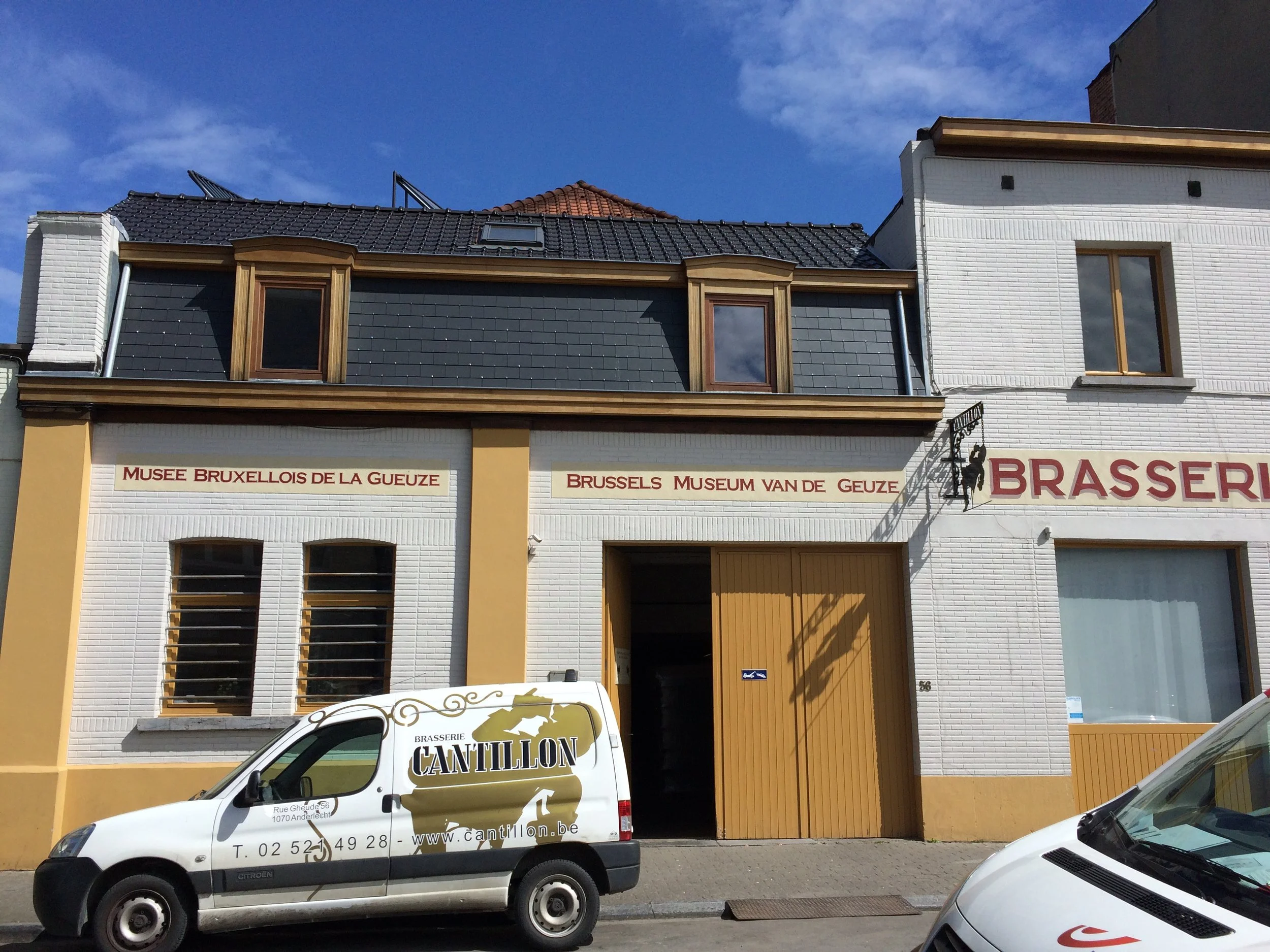
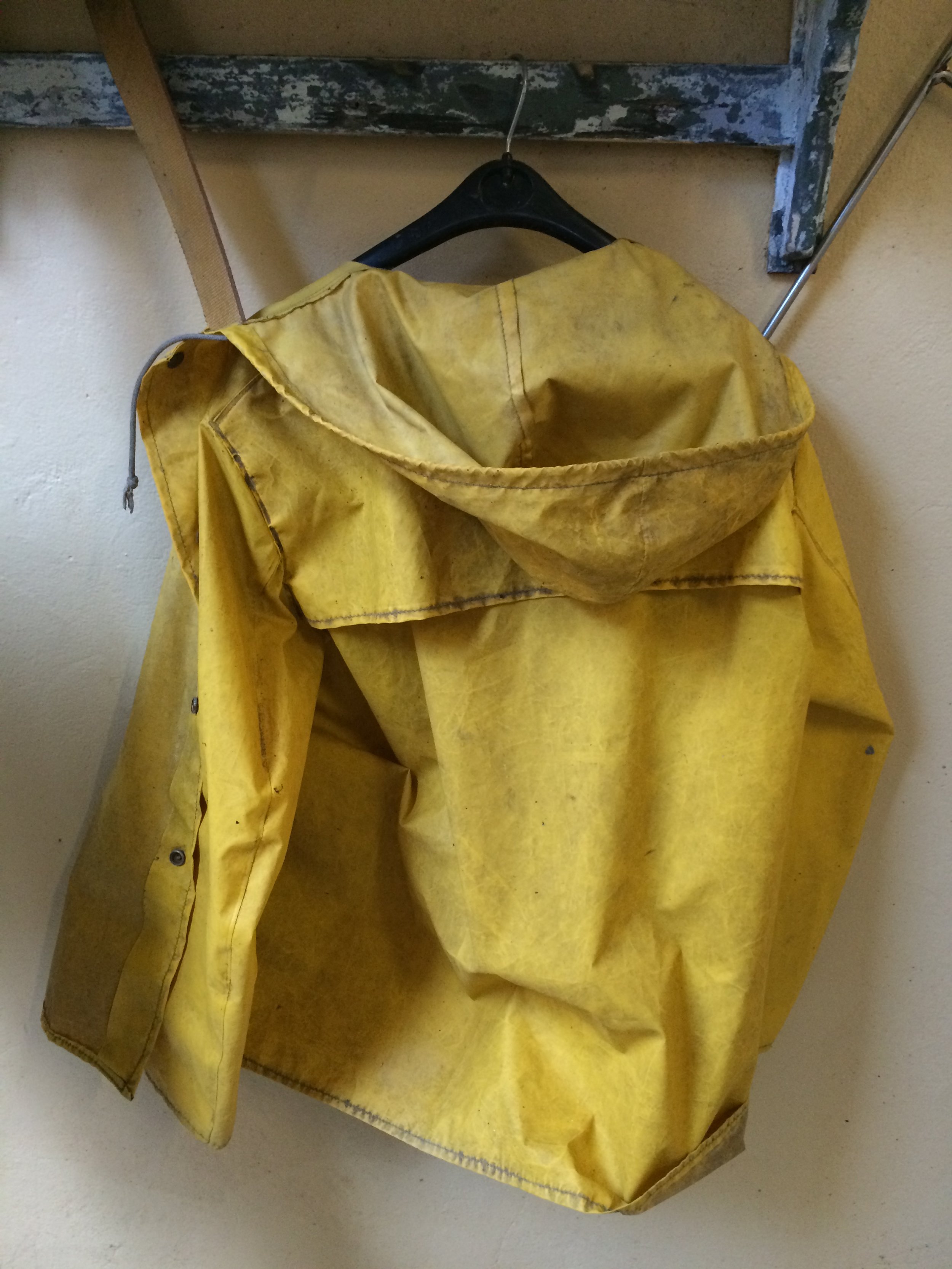
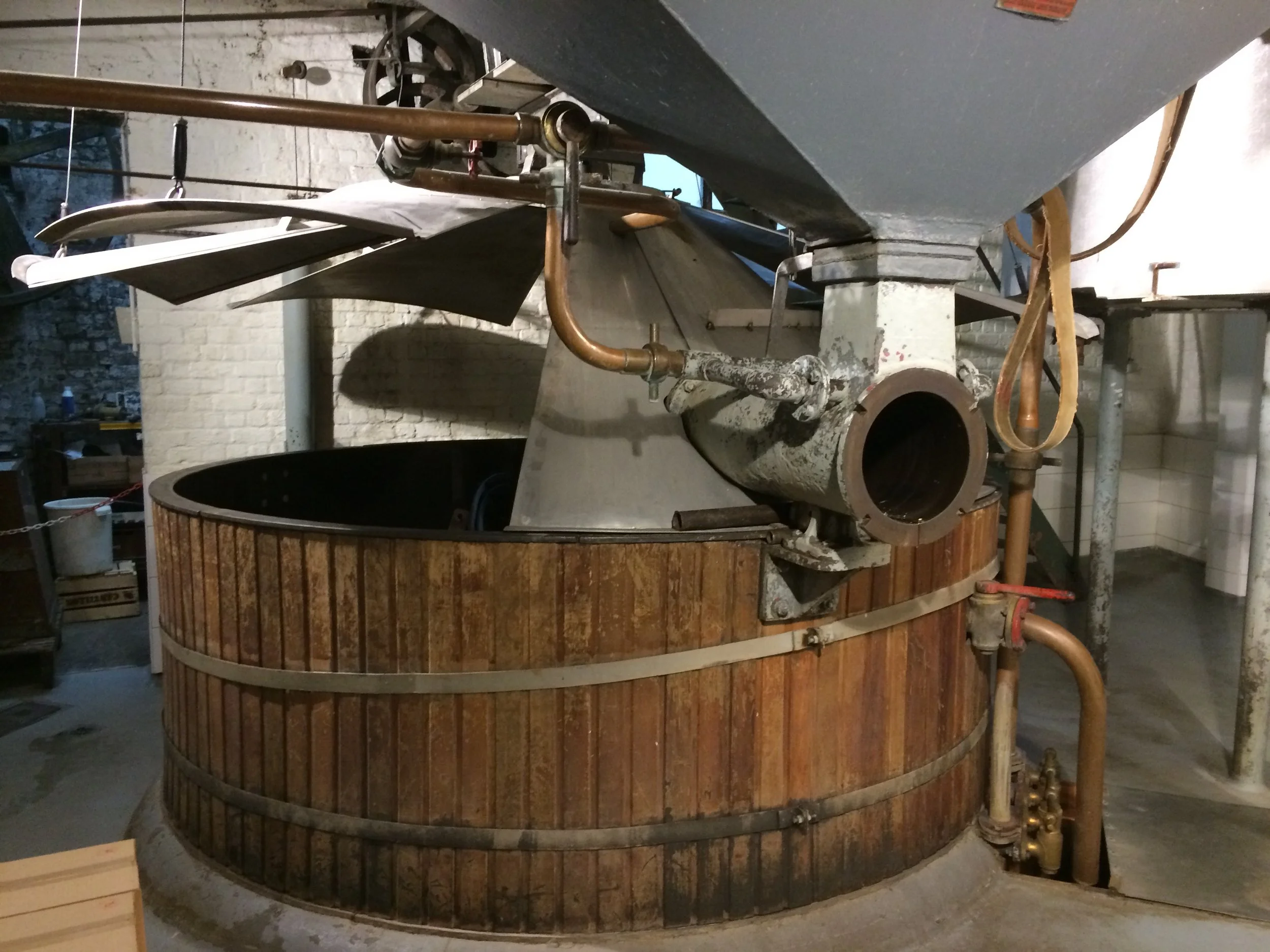
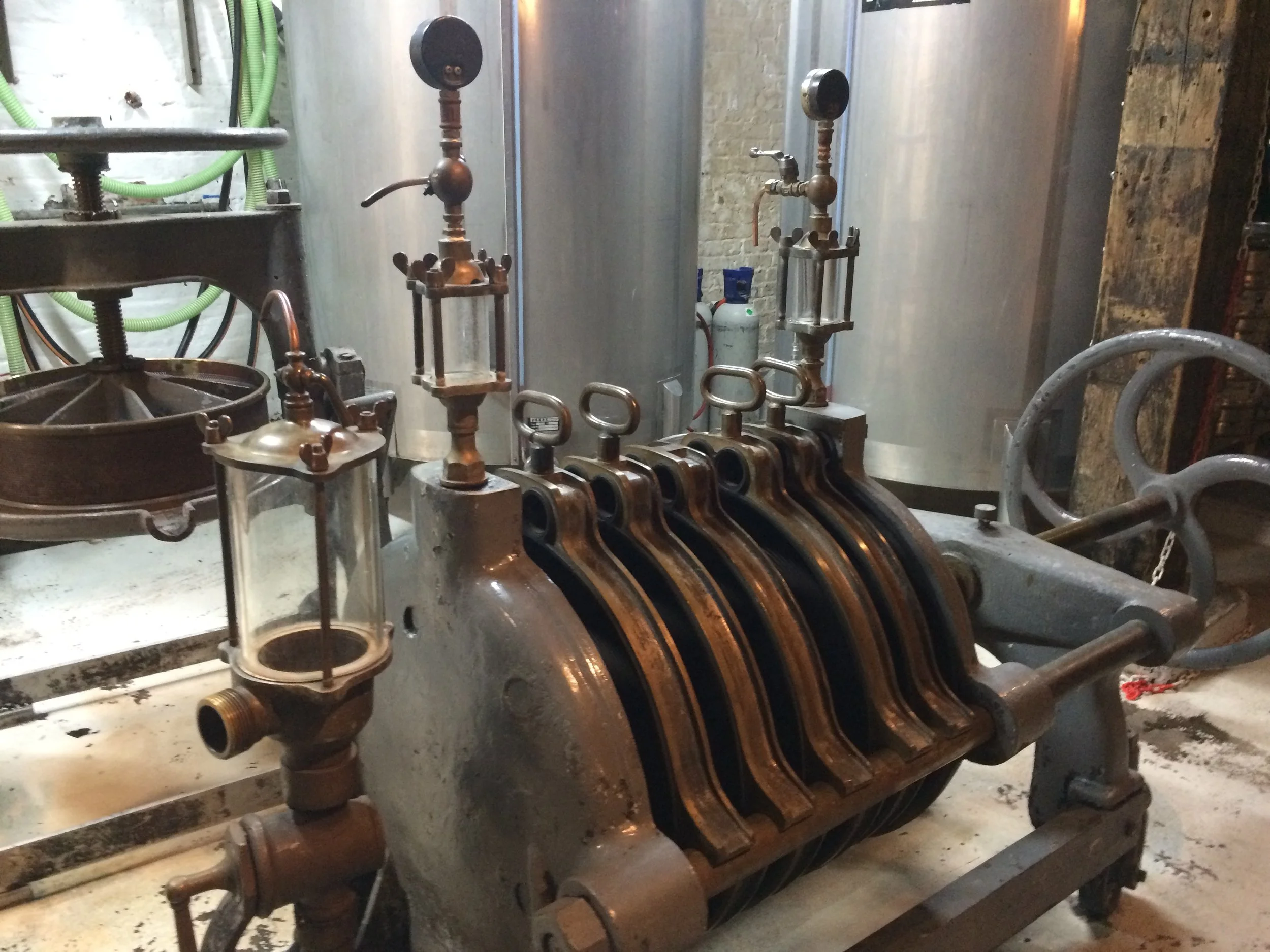
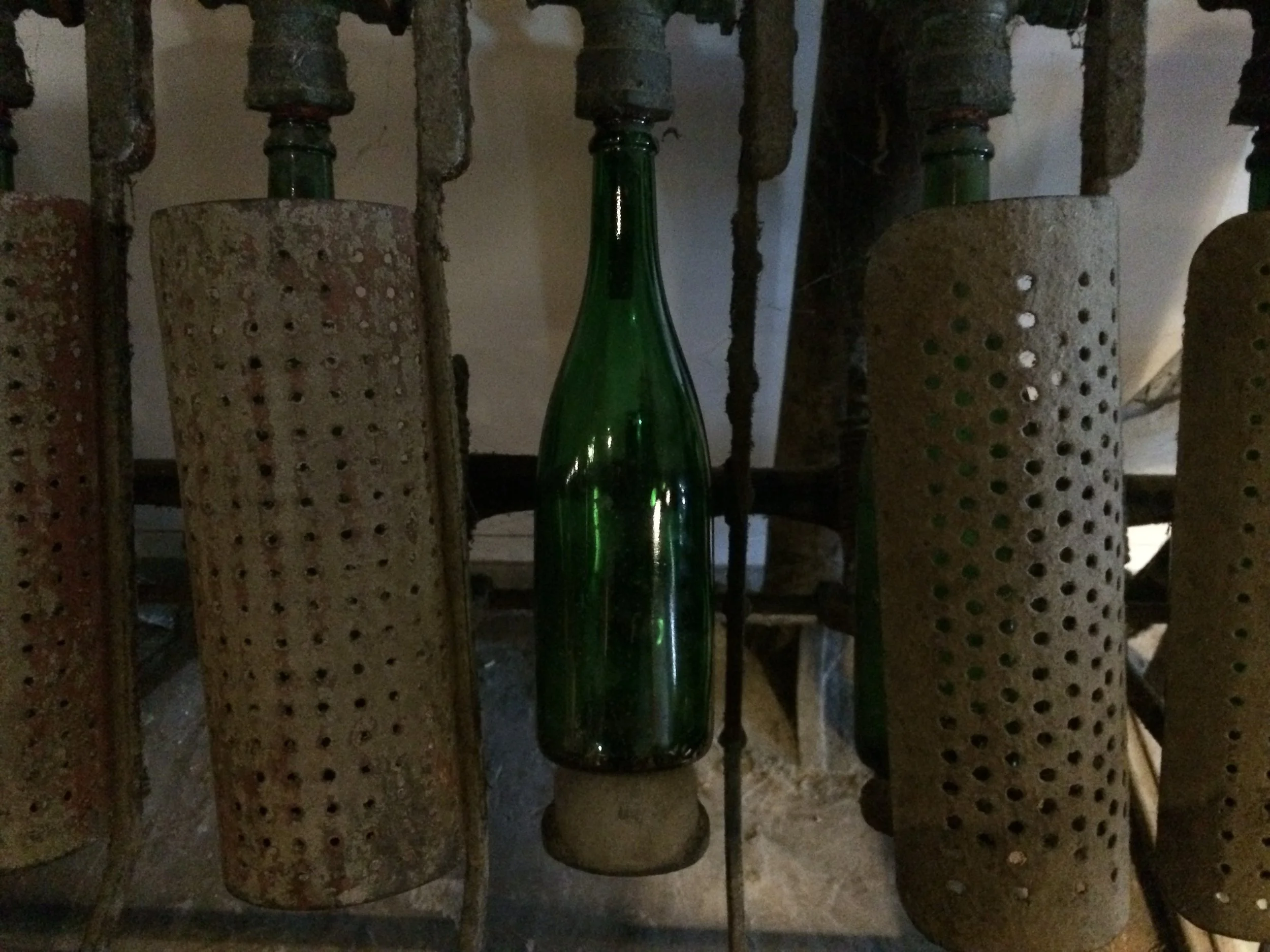
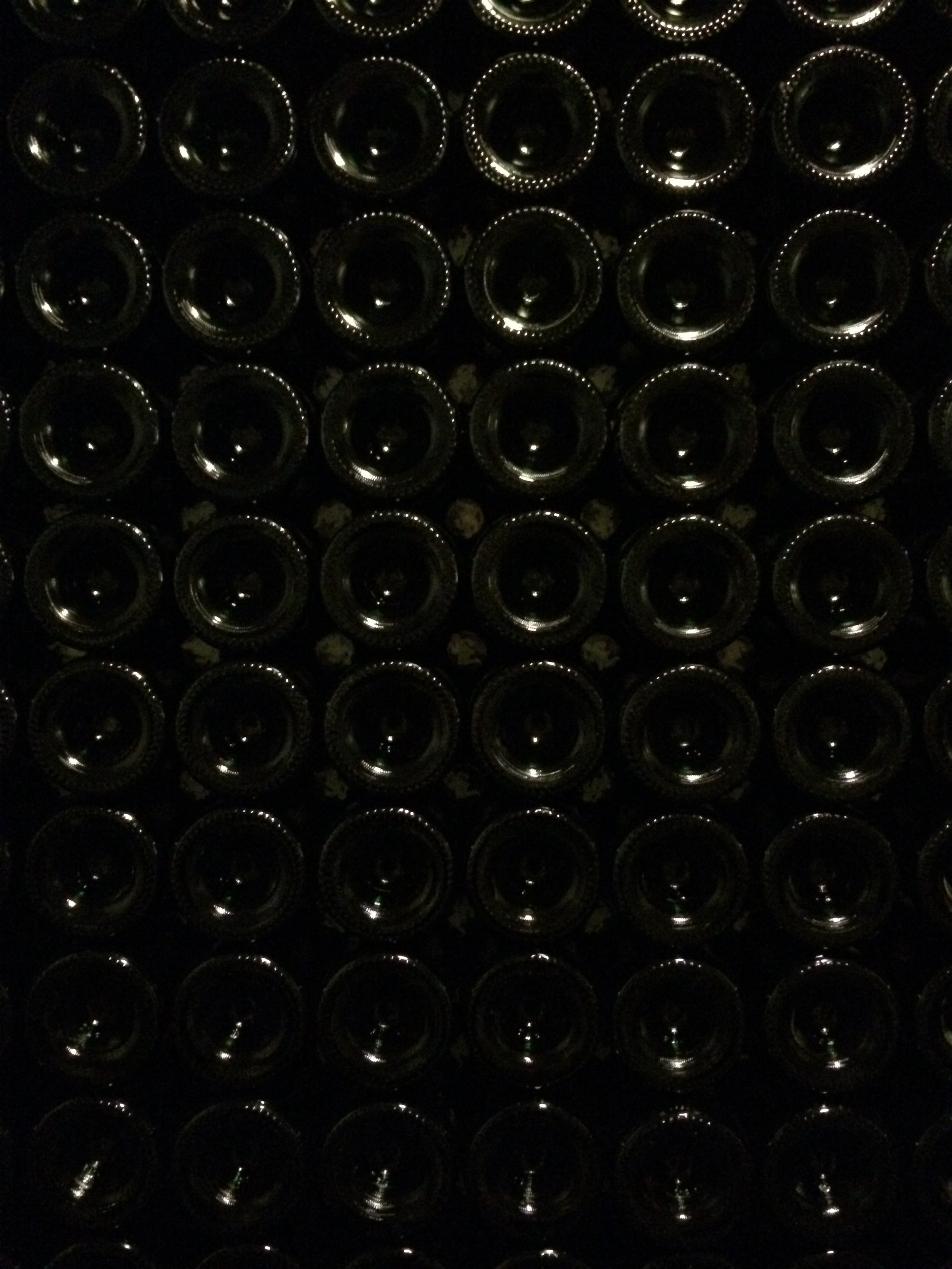
In the Cantillon Brewery, a collapsed stroller lays next to a stack of pallets housing four thousand empty, green, shrink-wrapped beer bottles. The incessant woosh of industrial dishwashers sets a soothing, monotonous undertone to conversations at tables near the bar. An older man, white-haired and athletic-built, walks leisurely from bar to office to storage, collecting glasses, receiving calls, and tidying up. He closes the front door as a chilly breeze pours into the space. This used to be his store; he is the old guard.
Jean-Pierre Van Roy, his energetic, 47 year-old son and current owner of Cantillon, is the new guard. Jean-Pierre is the third generation to maintain the century-old legacy that is Cantillon and its lambic beers—a legacy that started with Jean-Pierre’s grandfather, Paul Cantillon, in the year 1900. For over 120 years, lambic beer has been brewed in the same building, in the same way, using the exact same equipment.
Tradition and heritage are essential to the Cantillon ethos. Even the type of beer it brews—lambic—is the last remaining beer in the world that is fermented using the 12th century method of harvesting yeast from previous batches for use in the current, with no attempt to manipulate the fermentation thereafter.
“Lambic is certainly the most natural beer in the world today because of this type of fermentation. We don’t try to play in a role in the fermentation, the beer will be ready when the beer decides. We don’t decide.”
This has profound effects on the resulting brew. Every bottle of lambic beer is connected by an unbroken chain to the very first batch, and yet, despite its connection, every batch is entirely unique and unpredictable. It is this taste of the unknown that Jean-Pierre savors.
“Each blend is new. We never produce exactly the same beer. Each time we produce lambic, it's always different. That’s why lambic is so amazing!”
Jean-Pierre always knew he would brew beer.
“Other kids dreamed of being an astronaut or fireman or police officer. Not me.”
Officially, began sweeping the floors of Cantillon at the age of 8. Nearly 40 years later, Jean-Pierre runs the brewery during a very interesting time in its history.
“This is the second golden period. We have enough money to invest, and we have enough money to experiment.”
The first golden period was during the 1950s, when lambic beer was hugely popular in Brussels. In that city alone, there were dozens of lambic breweries. There were 6 within 600 meters of Cantillon.
The decades that followed, however, saw the near collapse entirely of the community. By the 1980s, competition from more industrial, modern outfits—which produced a pasteurized and sweetened pseudo-lambic—had obliterated the traditional breweries. Cantillon was the last of its kind and itself on the verge of ruin.
“My parents had no choice other than for my sister and I to work in the brewery. It was a very hard time.”
In response to the desecration of the “lambic” term by industrial players, Jean-Pierre’s father took an incredible gamble and sacrificed a substantial amount of the brewery’s square meterage—reducing output by 90%—in order to host the Brussels Gueuze Museum, which serves to teach consumers about the unique characteristics and history of lambic beer and, more importantly, to fight for the integrity of the “lambic” label.
“There are breweries across the world producing sour beer. And because the beer is sour, they call it lambic. It’s nonsense. But nothing is protecting the name ‘lambic.’”
At first, Cantillon was alone in their crusade to protect the term. No other independent brewers would join them, opting instead to adopt the label of “Old” to distinguish their authentic beers from industrial imitations (e.g. “Old Gueuze” or “Old Kriek”).
In recent years, though, Cantillon has been able to secure the support of a handful of like-minded brewers. The museum’s, and now Jean-Pierre’s, goal is to guild “lambic” in statutory protection á la “Tequila” or “Champagne”. While that goal remains unmet, the great museum gamble was still a winner.
“The museum can’t exist without the brewery and as I said earlier if my father did not decide to open the doors to the tourists 35 years ago, Cantillon should certainly disappear like a lot of lambic breweries in the region.”
In the 1990s, Cantillon began to recover from the devastation of the 1980s. Their adherence to tradition attracted business during the consumer awakening of that decade. As beer drinkers began to demand more information about the products they purchased, a brewery like Cantillon, which had managed to stay true despite great pressure, became popular once more. Demand for Cantillon brews, especially in Scandinavia, Italy, the UK, and the US, outpaced supply and propelled the shop into the “second golden age”—the age into which Jean-Pierre stepped.
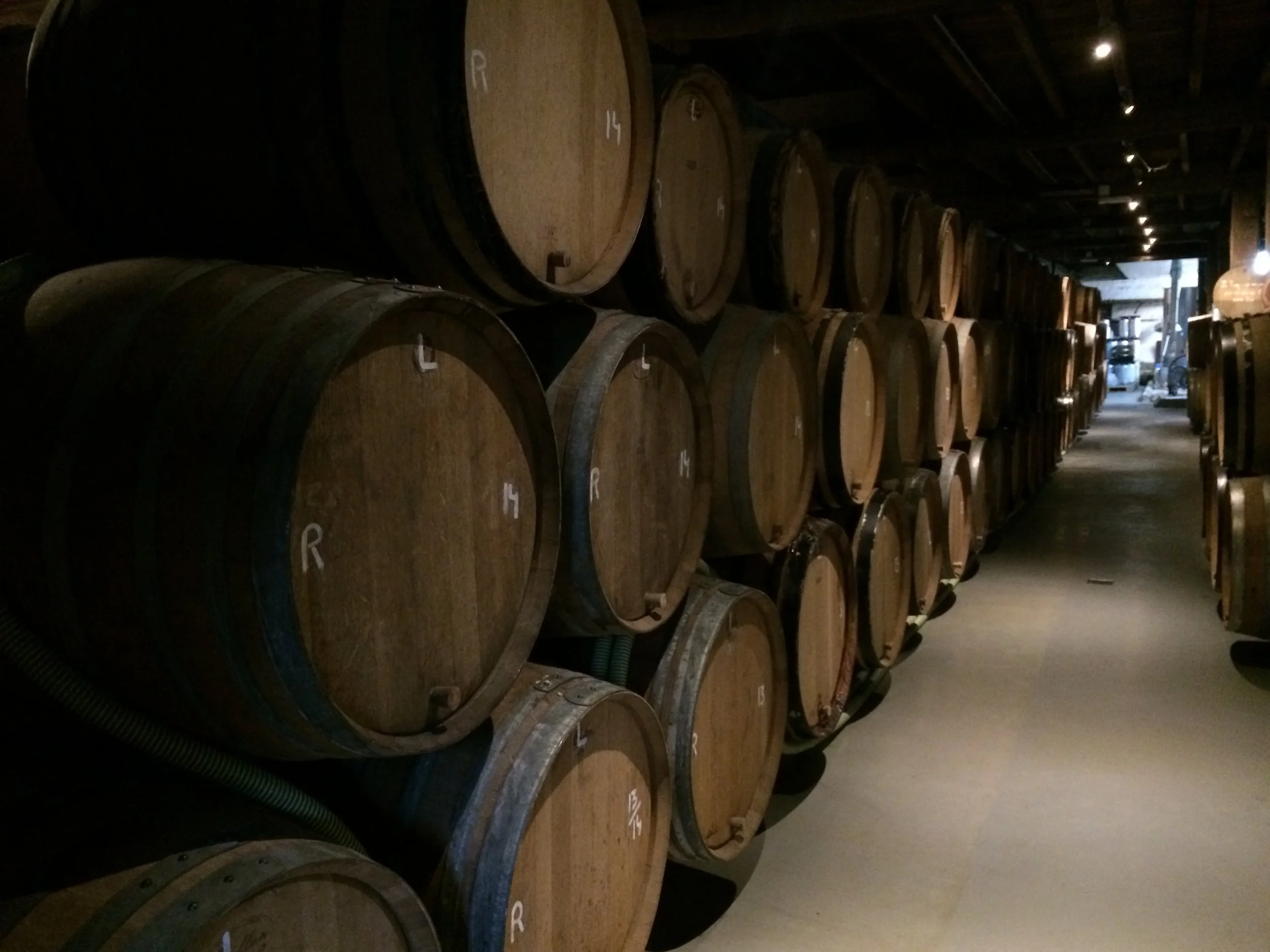
Leveraging this period of relative success, Jean-Pierre is making big moves. For the first time in over a century, Cantillon is expanding. Last year, Jean-Pierre purchased a 19th-century building (an old lambic brewery) just down the road from his current spot. He will use the new building exclusively for the maturation of his beer, a process that takes 3 years, and with this new space for maturing barrels, he’ll be able to increase production far beyond any level achieved by his forebears. War and competition kept his grandfather from expanding, and difficult economic times kept his father from expanding. Now, Jean-Pierre finds himself in an industry with room to grow and demand to support it.
The increased production will allow Jean-Pierre to boost the purchasing limits of his existing distributors as well as to put a dent in the insatiable demand from countries such as the United States, which already receives 20% of Cantillon’s production. But, perhaps most exciting for the lambic enthusiasts of the world—among whom Jean-Pierre is legend—the new building will make it possible to start selling a new rhubarb lambic.
The rhubarb lambic is a result of Jean-Pierre’s second major contribution to the Cantillon story: bold experimentation with flowers and fruit.
“I think the most important thing I brought to the brewery are all those experiments around lambic. We are looking at a lot of wine concepts. With all those new things, I discovered new phases with my beer. I think Cantillon produces lambic a bit more delicate, now. Not so strong, so acidic as 20-25 years ago.”
The taste he discovered when he infused rhubarb into his beer will almost certainly be a hit. The tartness and astringency coming from the rhubarb, with the sourness of the lambic, is, in his own words, “magic and very fine.”
But as exciting as these developments are for Cantillon, the experimentation, the new beer, and the expansion may not be the defining chapters of Jean-Pierre’s authorship. Just as with his father and his grandfather, Jean-Pierre will have to navigate threats to the soul of Cantillon.
Jean-Pierre has two children and neither of them exhibit the enthusiastic interest in continuing the unbroken chain of family ownership that Jean-Pierre did as a child. “They are thinking about beer, but not about making it,” he says only half jokingly. He has a handful of nephews, and hopefully one of them will assume the mantle, but there currently exist no clear heirs.
Far more concerning, though, is trying to maintain tradition in the face of a changing climate. Every year, the number of days Cantillon is able to brew decreases as winters become warmer. Their brewing process requires cool temperatures, and since his father started the business, Cantillon has lost a total of 12 weeks of brew time, which is about one third less time than what his grandfather had to work with.
Jean-Pierre does all that he can to counter the loss, and he maintains a very low carbon footprint (for example, using all natural ingredients and 100% solar power), but identity-defining decisions loom for the brewery. Regarding using artificial refrigeration to reclaim the stolen weeks, Jean-Pierre declares, “If the temperature continues to rise during the winter, who knows? Ten, twenty years, maybe? My children—I hope my children—will have to make such a choice.”